Speakers
Here is the stellar line-up of speakers for both day 1 and day 2 of RESONATE26.
Day 1 (Wed 18 Mar) speakers

Making a Difference with Wonder – The Magic Connection of Everyday Excellence
Peter Merrett – Australia’s 2024 keynote speaker of the year & founder of The House of Wonderful, service excellence and culture expert
Peter Merrett is a multi-award-winning luxury hotelier, Australia’s 2024 Keynote Speaker of the Year and founder of The House of Wonderful. With over thirty-five years of transforming luxury hotels, commercial properties, and their teams from status quo to best-in-class, Peter has revitalised the culture of some of the world’s most recognised brands. His approach goes beyond KPIs and mission statements – bringing wonder back to life, leadership and service in a way that creates extraordinary results.
Peter’s Wonder keynote will be packed with real-world ideas, joyful surprises and transformative breakthroughs to take your leadership influence and connection up to the moon. In this deeply human-spirited experience, Peter reveals bold and refreshing ways to lead, serve, and create an irresistible competitive edge – through the wizardry of curiosity, imagination and expressive presence.

From Information to Influence – How Transformational Communication Elevates Government Voices
Ros Weadman – Director, Marcomms Australia, government communication specialist
In an era of profound complexity, disruption and contradiction, government communication must do more than simply inform; it must also inspire and influence.
In this session, Ros Weadman reveals how transformational communication strengthens leadership influence and drives meaningful impact. Drawing on insights from her new book ‘Transformational Communication – The Leader’s Handbook for Communicating with Purpose, Power and Presence’, Ros will share a practical framework to elevate key messages into powerful narratives that build trust, ignite belief and move people to action.
You’ll leave with a clear methodology for using transformational communication as a strategic lever to build trust-led influence, even in the most complex environments.

Words, Numbers, Pictures – What Makes a Story Anyway?
Don Sharples – Managing Director, Social Pinpoint, social research and data storytelling expert
Storytelling is one of humanity’s oldest and most powerful tools for making sense of the world. In today’s data-rich environment, our stories are evolving – no longer built on words alone, but enriched by numbers and brought to life through visuals.
This session Don explores how data can become a language for storytelling, not just a source of information. We’ll unpack how to move beyond dashboards and spreadsheets to craft narratives that resonate, persuade and inspire action. Whether you’re leading change, influencing stakeholders, or enabling teams, the ability to translate data into compelling stories is a critical skill.
Through practical examples and frameworks, Don will demystify the process of weaving together qualitative and quantitative insights.
You’ll leave with a refreshed perspective on how to use data not just to inform, but to connect by turning complexity into clarity and numbers into meaning.

From Messenger to Strategist – Measuring How Communication Builds Trust and Reputation
Kellie Lyons – Managing Director, Perspicacious, evidence-based decision-making expert
Measuring the tangible impacts of strategic communication is one of the most important yet most challenging areas of the job for government communication professionals. In this session, Kellie will introduce TRACE – a practical, research-grounded measurement model that traces the pathway from communication quality through to trust, reputation, license and outcomes. TRACE is not an acronym but a metaphor: it demonstrates how communicators can literally trace the flow of value they create.
Delegates will also explore a 10-item ‘Communication Quality Index’ that maps directly to the seven drivers of trust, and to approaches for tracking stakeholder perceptions of reputation across issues, expectations and time.
The session will also explore how to calculate expectation–experience gaps to identify emerging risks, and how to demonstrate attribution with metrics like Communication-Attributable Trust Lift (CATL).
You’ll walk away with a clear, evidence-based framework that shows, in concrete terms, how effective communication builds trust, protects reputation, and elevates strategic influence.

Trust Before Technology – Building Confidence for AI in Government
Derek Madden – Chief Executive Officer, Moorabool Shire Council, leading advocate for tech-capable councils
As government communicators, our mission is to build trust. In an era of rapid technological change, this has never been more critical. Artificial Intelligence promises to revolutionise local government, but technology alone doesn’t deliver outcomes. Without trust, AI is a threat; with trust, AI becomes a powerful tool for improving services and strengthening community connections.
In this session, Derek will introduce the Aim High Framework, a practical model developed by Moorabool Shire to position communicators as essential strategic advisors in technology projects.
Drawing on real-world case studies, this session provides a playbook to use the framework to map trust relationships, anticipate resistance and guide project strategy as well as lead transparent conversations that build belief in the intent behind the technology.
This session will empower you to lead the most important part of any government AI initiative: building the trust that makes it all possible.

Leading Change – Why Every Executive Team Needs Communications at the Table
Imogen Kelly – Executive Manager, Communications and Customer Experience, Monash City Council
We live in an ever-changing world. And the pace of that change has increased exponentially. Our children will likely build careers in disciplines that don’t exist yet. The new game is staying relevant. So, what is the future for communications practitioners in a technology- and AI-enabled world?
As communicators we have critical transferable skills that are fundamental to developing and executing any organisational strategy but we’re not always best at articulating our own value proposition.
If our superpower is being able to walk in others’ shoes, then understanding our context and being able to clearly define our purpose are the keys to unlocking our potential to contribute effectively at the executive table.

Strengthening Stakeholder Relationships – Gaining and Retaining Trust
David Hawkins – Managing Director, Socom, crisis and stakeholder relations expert
Why is trust, a holy grail of all governments, so hard to gain and retain? In this interactive session, David Hawkins will introduce the key elements of trust; the builders and breakers.
The session will explore trust elements within the control of government communicators and how to maximise these as well as those elements not in their control, and how to minimise their impacts.
In essence, the fundamental foundations of trust between government organisations and their communities are the same as those we weave into the rich tapestries of our personal relationships. This session will look at how we can embed these foundations into our stakeholder relationships.
You’ll walk away with a clear definition of trust, the ability to identify key elements of trust and practical tools to improve the level of trust for each of the key elements.
Day 2 (Thurs 19 Mar) speakers

How to Persuade – The Skills You Need to Resonate and Drive Results
Michelle Bowden – Australia’s #1 expert on persuasion at work & best-selling author of ‘How to Persuade’
Michelle Bowden is Australia’s number one expert on persuasion at work and the creator of the Persuasion Smart Profile®, a world-first tool that reveals your persuasion strengths and weaknesses. She’s also the best-selling author of ‘How to Persuade: The Skills You Need to Get What You Want’ (Wiley), and a multi-million-dollar pitch coach to a client list that reads like a who’s who of international business.
Michelle says, Ideas are just ideas until you can persuade someone to act on them. In this high-energy, interactive session, you’ll explore your persuasion style, take part in engaging activities and learn how to ensure people listen when you speak and take the action you want. As a bonus, you’ll receive a free copy of Michelle’s best-selling book ‘How to Persuade’.

The Risk and the Reward – Why Being an Effective Strategic Communicator Takes Courage
Merita Tabain – Senior Associate, The Agenda Group
Government communicators are often undervalued, perceived as message writers or designers rather than strategic leaders. Yet unlike the private sector, where communication outcomes are tied to sales and share prices, government work must influence attitudes, provide information, and achieve complex social outcomes, often with limited clarity or evidence. Too often, communicators are brought in late, asked to deliver campaigns based on assumptions rather than research, and expected to ‘make things pretty.’
This presentation challenges these myths and explores what it takes to secure a genuine seat at the table. Through a case study on women in policing, it demonstrates how moving beyond instinct to evidence-based strategy exposed structural barriers, reshaped internal processes and ultimately delivered significant change in recruitment outcomes.
The session will reflect on the professional risks of pushing against expectations, the courage needed to advocate for what works and the reality that true strategic communication may not always advance your career, but it is critical for meaningful organisational change.

Advocate to Resonate – Strategies to Take Your Advocacy Campaigns to the Next Level
Damian Mannix – Managing Partner, The Agenda Group, government relations and advocacy expert
In today’s fast-paced and complex environment, the role of government communicators as advocates for public understanding and policy impact has never been more vital.
Drawing on two decades of experience in government relations, Damian Mannix will present practical frameworks and best practices that empower communication professionals to champion government engagement, build trust and shape meaningful outcomes.
This session will explore how communication specialists can evolve beyond traditional messaging roles to become active agents of advocacy, bridging the gap between policy and people. By translating complex issues into narratives that resonate emotionally and intellectually, communicators can mobilise support, foster transparency and influence decision-making.
Using case studies and innovations such as digital advocacy, data-driven influence and cross-sector collaboration, Damian will provide tools to future-proof your skills and position communication as a core advocacy capability.

Creating a Multicultural Communications Framework – The Secret to Effectively Engaging Diverse Communities
Francesca Bennett – Strategic Communications Lead, Hume City Council
In Australia, more than half the population are first- or second-generation migrants, with many experiencing language barriers and having limited understanding of government systems. Yet every resident has the right to equal access to information, services and opportunities.
With residents coming from 170 countries and speaking 155+ languages, Hume City Council recognised that a ‘business-as-usual’ communication approach would most likely be leaving parts of its community behind. To change this, they developed a Multicultural Communications Framework – not just a guide, but a whole-of-organisation commitment to inclusivity, equity and connection.
In this session, Francesca Bennett shares how the framework was co-designed with the community, offering practical insights into understanding demographics, identifying communication preferences and embedding cultural inclusivity into strategy. You’ll leave with tools to ensure no one in your community is left out of the conversation.

One Team, Two Superpowers – Unlocking the Comms-Engagement Advantage
Cindy Plowman – Director, Conversation Co and Author of ‘The Secret Life of Pop-Ups’, community engagement expert
Behind every successful government communication campaign is a team of professionals translating complex policies into clear, compelling stories. But what happens when your closest collaborators aren’t just policymakers but the ‘touchy-feely, post-it-note-loving crew’ known as the community engagement team? And let’s be honest: the rest of the organisation often assumes you are the same person. You’re looped into the same meetings, lumped into the same team and expected to know it all.
In this fun, fast-paced session, Cindy Plowman invites you on a hero’s journey where you, the government communicator, are the central character. Along the way, you’ll learn how to collaborate more effectively with engagement specialists to co-design strategies that build trust, avoid outrage and help communities feel heard, not herded. Because when comms and engagement work together, we become the hero our organisations and communities need.
Shaping Strategic Conversations – How to Design Conversations That Count
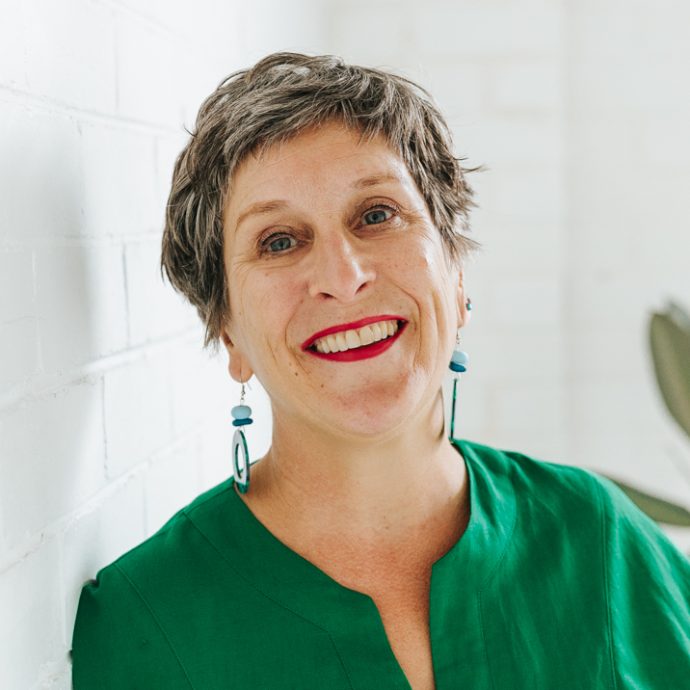
Jacinta Cubis – Master Facilitator of workshops, meetings and community conversations
In government, the moments you bring people together – to plan, to decide, to engage – are too important to leave to chance. Strategic conversations start with design, whether you’re engaging communities, consulting with stakeholders or collaborating with an internal project team. This session supports you to lead the conversations that shape decisions, trust and action, not just take part in them. You’ll work through four design strategies that turn default meetings into deliberate, strategic sessions.
This session backs your strategic role with practical tools to plan with clarity, purpose and influence. You’ll work with peers, share real stories and try tools that respond to the challenges you and your peers face. You’ll walk away with an easy-to-use framework, practical tools you can apply straight away, and a mindset shift, from running meetings to designing conversations that count.